
Total War SHOGUN 2 Complete Edition Rise of the Samurai: Gempei War Campaign Guide
✓ Last verified 2026-10-14 · How we check facts
Quick answer
Rise of the Samurai is a 12th-century Gempei War campaign in the Total War SHOGUN 2 Complete Edition that splits the Taira, Minamoto and Fujiwara families into six playable clans, with new agents such as the Shirabyoshi and Junsatsushi.
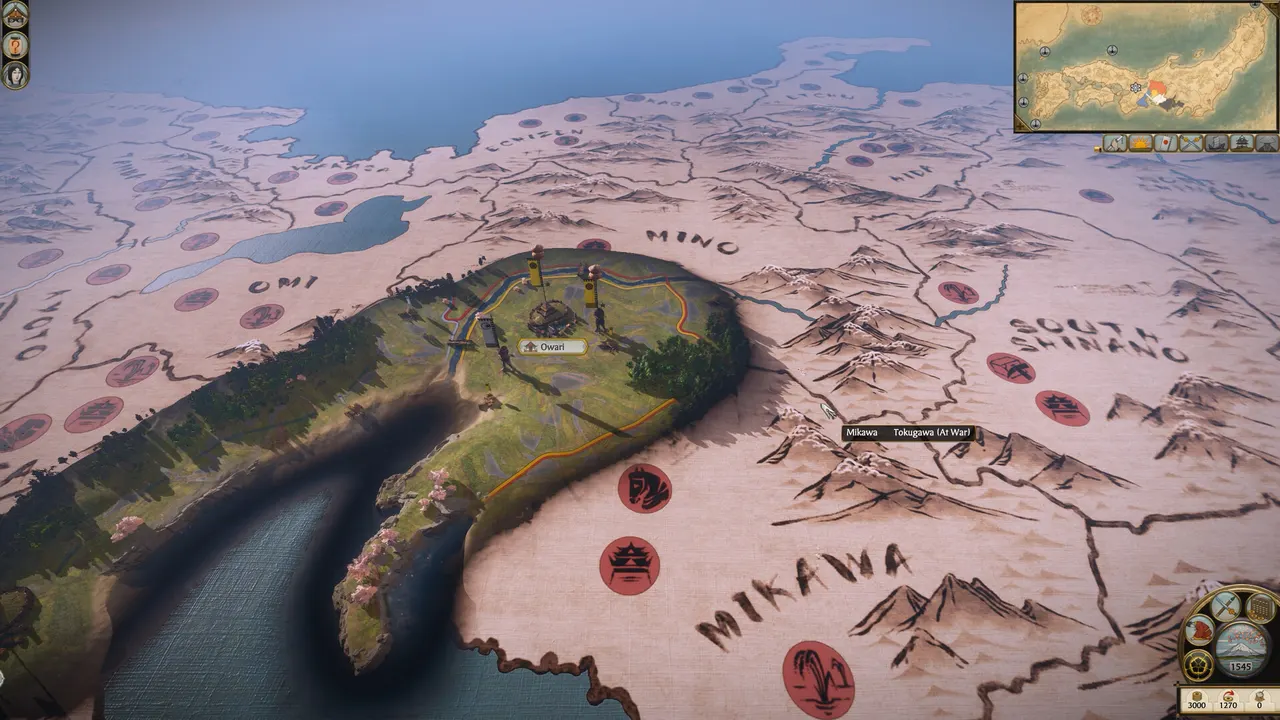
The Total War SHOGUN 2 Complete Edition Rise of the Samurai campaign moves the series back to the Gempei War of the 12th century. It is one of three campaigns included in the Complete Edition, alongside the core Sengoku campaign and Fall of the Samurai, and it covers the same long timeline that runs from 1175 to 1876 across all three. This guide explains the setting, the clans and a practical starting strategy.
Rise of the Samurai is a different kind of campaign. Its families, clans and agents set it apart from the Sengoku period, so your opening decisions need to reflect that setting from the start.
The Gempei War Setting
Rise of the Samurai is set during the Gempei War. Three families, the Taira, Minamoto and Fujiwara, are split into six playable clans, and each clan has its own traits. Learning those traits is the first step, because they shape how you grow and which units suit your clan.
The campaign also introduces new agents, such as the Shirabyoshi and the Junsatsushi. Agents give you ways to act on the campaign map that go beyond armies, so plan how you will use them alongside your military moves.
| Detail | What it means for you |
|---|---|
| Setting | The 12th-century Gempei War |
| Families | Taira, Minamoto and Fujiwara, split into six playable clans |
| New agents | Shirabyoshi and Junsatsushi, among others |
The campaign also adds newly playable minor factions, including Ashikaga, Kusunoki, Nitta and Chiba. Many players report that the new minor factions lack unique mechanics, so judge their value by how they fit your plan rather than by their names.
Starting Strategy
Start by reading your clan's traits and the home region around it. Each clan has its own strengths, so match your early choices to them rather than copying a plan from another campaign. Secure the home region first, since a stable base lets you use the new agents without risking your territory.
Keep your economy steady before you build an army that is too large to support. Use diplomacy early to avoid fighting every neighbour at once. Quick Deal shows how likely each faction is to accept each type of deal, so it is a good way to test peace before you commit to war.
For the battle side of the campaign, remember the community-tested unit roles. Yari units counter cavalry, cavalry works best against the flanks of archers, and bows and matchlocks soften lines before melee. Keep a general near the line so nearby troops stay rallied.
Using the Campaign Map
The campaign map gives you the information you need to plan. Hold Spacebar on the map to see overlays for ownership, attitude, diplomatic status, wealth, public order and food. Check these before you move an army, because a region that looks strong on one overlay can still be weak on another.
Remember that growing too powerful triggers Realm Divide, when other clans turn against you. The Realm Divide slider lets you choose the original behaviour, a harder setting or no Realm Divide at all. Choose the setting that matches the pressure you want before you begin.
For the official feature list, see the official Total War SHOGUN 2 Complete Edition site. Once you have a sense of the campaign, compare it with the Fall of the Samurai campaign, which moves the story to the Boshin War, or check the DLC guide for the other packs included with the Complete Edition.
Common Mistakes to Avoid
Several habits slow down a new player in Rise of the Samurai. The first is spreading too thin. Because the campaign features six clans and new agents, it is tempting to use every tool at once. Choose one or two plans that suit your home region, then add more as your economy allows.
The second mistake is ignoring the traits of your clan. Each clan has traits of its own, and the same army plan will not suit every clan equally well. Read the traits before the first move, and let them guide which units you train.
The third mistake is treating the new minor factions as a sure gain. Players report that the new minor factions lack unique mechanics and balance, so judge each one by where it sits on the map and how it fits your plan.
The fourth mistake is skipping the map. The overlays on the campaign map show ownership, attitude, wealth, public order and food. A region that looks strong on one overlay can be weak on another, so check before you commit an army. Playing the Total War SHOGUN 2 Complete Edition Rise of the Samurai campaign well is mostly about steady habits, not one clever move.
Frequently Asked Questions
Q: Is Rise of the Samurai part of the Complete Edition?
Yes. The Rise of the Samurai campaign is included in the Complete Edition, along with the Sengoku and Fall of the Samurai campaigns.
Q: How is Rise of the Samurai different from the Sengoku campaign?
The Sengoku campaign covers the mid-16th century and the goal of taking Kyoto from the shogunate. Rise of the Samurai covers the 12th-century Gempei War, with three families split into six playable clans and new agents.
Q: Which minor factions can I play in Rise of the Samurai?
The official list includes Ashikaga, Kusunoki, Nitta and Chiba, among others. Check the official list for the full set of newly playable minor factions.
Related Guides
Up next →
Total War SHOGUN 2 Complete Edition Takeda Campaign: Cavalry Strategy and Early Tips
Strategy for the Total War SHOGUN 2 Complete Edition Takeda campaign, covering the Kai cavalry focus, early priorities, Realm Divide planning and battle counters.
Chosokabe Campaign Strategy
Plan your Total War SHOGUN 2 Complete Edition Chosokabe campaign with this guide to the Tosa home region, archery and farming strengths and opening priorities.
Fall of the Samurai Guide
Total War SHOGUN 2 Complete Edition Fall of the Samurai covers the Boshin War from 1864. Learn the two sides, the DLC factions and practical strategy.
Oda Clan Strategy Guide
How to approach the Total War SHOGUN 2 Complete Edition Oda campaign, with Owari-focused priorities, Realm Divide settings and the Oda unit fixes.