
Total War SHOGUN 2 Complete Edition Fall of the Samurai: Campaign Guide, Factions and Strategy
✓ Last verified 2026-10-14 · How we check facts
Quick answer
Total War SHOGUN 2 Complete Edition includes Fall of the Samurai, a campaign set in the Boshin War that starts in 1864 and adds firearms, artillery and modern warships. Choose the Imperial side or the Shogunate side and manage foreign relations carefully.
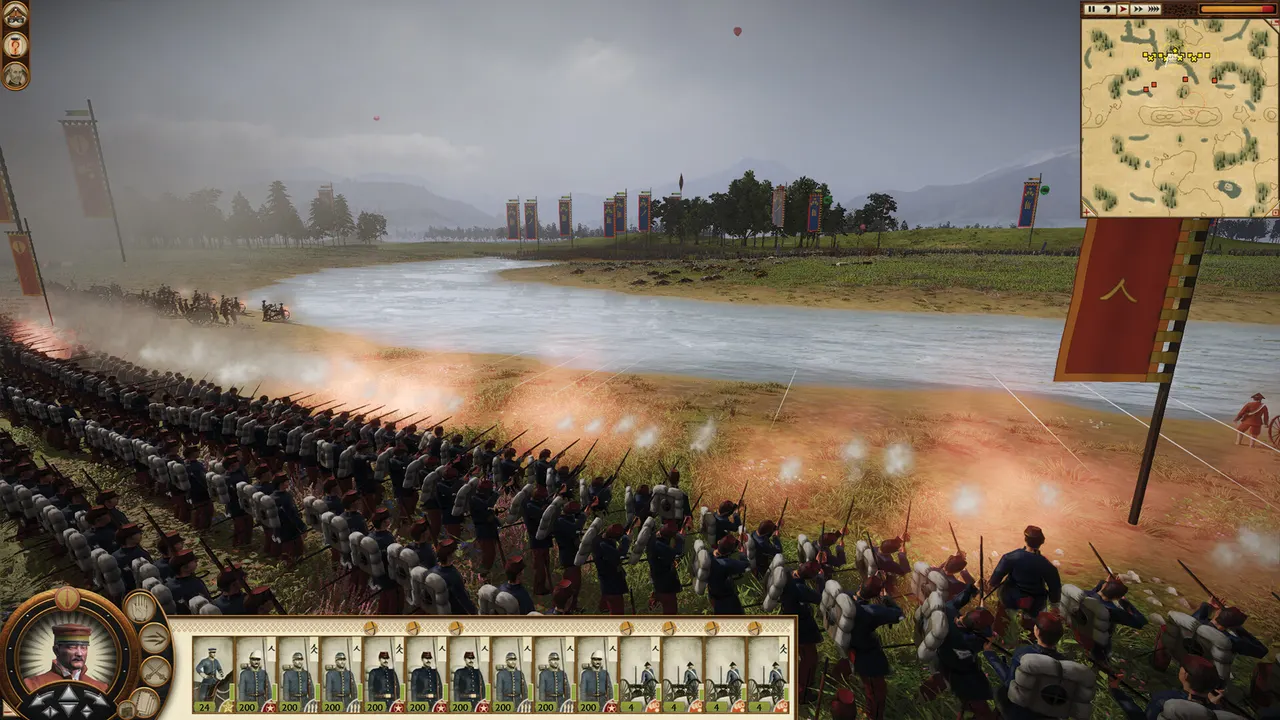
Total War SHOGUN 2 Complete Edition includes Fall of the Samurai, the campaign that covers the Boshin War. Inside Total War SHOGUN 2 Complete Edition, it starts in 1864, when the old warrior order is giving way to modern weapons. Instead of castles and bows alone, you manage 19th-century firearms, artillery and modern warships. It sits inside the same package as the original game, so you do not need a separate purchase to play it.
The Two Sides
The campaign splits into two camps. The Imperial side is made of the Choshu, Satsuma and Tosa clans. The Shogunate side is made of the Aizu, Nagaoka and Jozai clans. Your choice shapes your early goals, your neighbours and the alliances you can make. Pick the side that suits your play style, since both have their own clans and challenges.
Relations with the outside powers also matter. America, Britain and France affect recruitment and technology, so keep an eye on those relationships as you expand. Treat them as part of your economy, not just as a side plot.
| Side | Starting Clans | Campaign Role |
|---|---|---|
| Imperial | Choshu, Satsuma, Tosa | Push for the new government |
| Shogunate | Aizu, Nagaoka, Jozai | Hold the old order together |
DLC Factions in the Campaign
The Fall of the Samurai faction packs add extra playable options. Saga is built around artillery and industry, with better artillery accuracy and cheaper ships. Obama focuses on land upkeep and tax, while Tsu brings ninja and shinobi strengths and allegiance conversion. Sendai is known for diplomacy and faster sieges.
| DLC Faction | Listed Focus | Pack |
|---|---|---|
| Saga | Artillery accuracy, cheaper ships, industry | Fall of the Samurai |
| Obama | Cheaper land upkeep, tax and repression | Fall of the Samurai |
| Tsu | Ninja and shinobi bonuses, allegiance conversion | Fall of the Samurai |
| Sendai | Diplomacy bonus and faster sieges | Fall of the Samurai |
These packs are part of Total War SHOGUN 2 Complete Edition bundle, so you do not need to buy them separately. For a broader view of the package, read our Complete Edition features overview. You can see the full store listing on the Complete Edition Steam store page.
Practical Strategy
Start by securing your home region before you chase distant battles. A stable base lets you build the modern units the period demands. Keep food positive and avoid overextending into territory you cannot hold. Trade and markets are a steady source of income, and that income pays for the expensive firearms and ships.
Keep the Dragon War battles in mind, which end with the Ezo Republic's last stand at Hakodate in 1869. Do not build your whole plan around that event, but watch how it changes the map. Choose your targets based on what you can reach and defend, not only on the most famous castles. For general opening advice that applies across the campaigns, see our Complete Edition guide.
Timeline and Pacing
The Complete Edition covers a long timeline, from 1175 to 1876, across its campaigns. Fall of the Samurai sits at the end of that span, so the decisions you make feel very different from the Sengoku era. The campaign asks you to balance your economy with the new military options.
Plan your early turns around stability. The new Boshin War setting means your armies will face foreign technology sooner than you might expect. Use your first years to build income, secure supply and learn how your clan's strengths fit the period. Rushing into a major battle with an unprepared army is a risk worth avoiding.
Foreign Powers and Recruitment
Relations with America, Britain and France are a central part of this campaign. These relationships affect which units you can recruit and which technologies you can research. A good relationship can open options that a poor one closes, so think of diplomacy as a long-term investment rather than a quick fix.
Watch for changes in relations as you expand. A shift in one foreign power can change your options quickly, especially when you are dealing with modern warships. Keep your diplomacy steady, and avoid choices that leave you without a trading partner or a useful ally.
Units and Technology
Firearms change how you fight. Firearm units can soften enemy lines before melee, but matchlocks suffer in rain, so check the weather before you commit. Cavalry is useful for flanking, and generals help rally nearby troops when a line starts to break. In this campaign, the balance of old and new units is the core decision. Mix them, and keep your artillery supported by melee units.
Total War SHOGUN 2 Complete Edition also includes updated unit data and bug fixes for Fall of the Samurai. CA's What's New post mentions a cavalry charge-bonus fix and a Light Cavalry spotting distance fix, so check the patch information on the official blog if a unit behaves differently from what you read in older guides.
Frequently Asked Questions
Q: When does Fall of the Samurai start?
The campaign in Total War SHOGUN 2 Complete Edition starts in 1864, during the Boshin War. It uses 19th-century weapons, including firearms, artillery and modern warships.
Q: Which side should I pick in Fall of the Samurai?
Pick the side that matches how you like to play. The Imperial side and the Shogunate side both have clear starting clans, and the campaign rewards careful expansion and good relations with foreign powers.
Q: Do I need to buy the DLC factions separately?
No. The Fall of the Samurai faction packs are included in Total War SHOGUN 2 Complete Edition bundle. For the full list of what is included, check the official Steam store page or the Creative Assembly blog.
Related Guides
Up next →
Total War SHOGUN 2 Complete Edition Oda Campaign: Owari Strategy and Priorities
How to approach the Total War SHOGUN 2 Complete Edition Oda campaign, with Owari-focused priorities, Realm Divide settings and the Oda unit fixes.
Chosokabe Campaign Strategy
Plan your Total War SHOGUN 2 Complete Edition Chosokabe campaign with this guide to the Tosa home region, archery and farming strengths and opening priorities.
Ouchi Campaign Guide
Playing the Total War SHOGUN 2 Complete Edition Ouchi campaign? Learn what is officially confirmed about Ouchi and practical Sengoku opening advice.
Rise of the Samurai
Guide to the Total War SHOGUN 2 Complete Edition Rise of the Samurai campaign: the 12th-century Gempei War, six clans from three families and new agents.